Survival Begins in the Mind
Preparation for the unexpected is not about paranoia. It is about respect for reality. When systems fail, weather turns hostile, or you find yourself far from help, survival skills stop being abstract ideas and become practical tools. Whether in wilderness terrain, extreme climates, or sudden emergencies, the right mindset and skills can quietly decide the outcome.
The following twenty principles are drawn from experience. They form a grounded framework for anyone who wants to be capable rather than lucky when things go wrong.
1. Stay calm and think clearly

Stress narrows perception. Panic accelerates mistakes. The first and most important task in any survival situation is mental control. Slow breathing, deliberate movements, and simple grounding routines help restore clarity. A calm mind sees options where panic sees only danger.
2. Read the situation before acting
Before doing anything, take time to observe. Scan for hazards, terrain features, weather patterns, and available resources. Understanding where you are and what surrounds you shapes every decision that follows. Build a mental map before you move.

3. Water comes before everything else
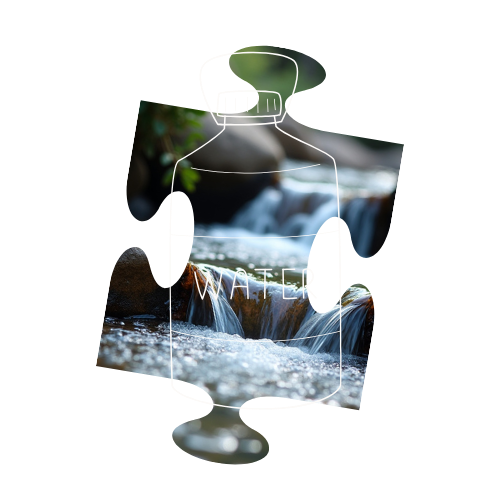
Humans can endure hunger far longer than dehydration. Securing water should be the first physical priority. Look for natural collection opportunities like rain, condensation, or groundwater. Treating water is as important as finding it.
4. Conserve energy deliberately
Survival is not about constant action. Every unnecessary movement burns fuel your body cannot easily replace. Work efficiently, rest intentionally, and avoid tasks that do not clearly improve your situation. Proper clothing alone can save enormous energy.

5. Use your senses fully
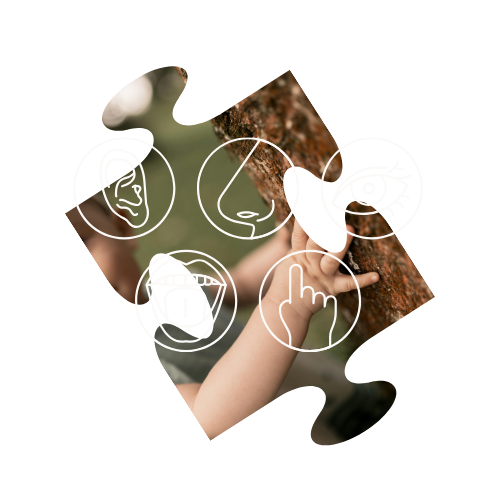
Survival rewards attention. Sounds, tracks, wind direction, animal behavior, and subtle changes in the environment all carry information. Birds often signal water or danger. Silence can be as informative as noise.
6. Make yourself visible
If rescue is possible, signaling matters. Smoke, reflective surfaces, sound signals, and ground markers can dramatically increase your chances of being seen. Large simple symbols are more effective than complex ones.
7. Food is important but not urgent

Nutrition matters, but it should not distract from water, shelter, and safety. Foraging requires knowledge and caution. Mistakes with unknown plants or animals can worsen a bad situation. Training matters here more than optimism.
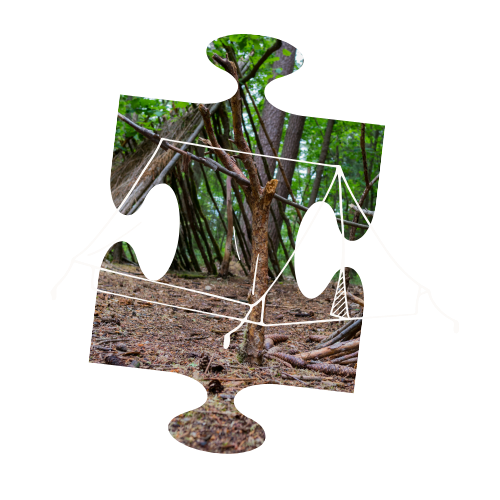
8. Build protection from the elements
Exposure ends survival faster than hunger. A shelter regulates temperature, conserves energy, and improves morale. Choose locations wisely and avoid flood paths, falling hazards, or animal trails.
9. Understand local plants and animals

Knowledge of flora and fauna turns the environment from threat into resource. Plants can provide food, medicine, or tools, while animals can signal danger or opportunity. Learning this beforehand is far safer than improvising later.
10. First aid knowledge saves lives
Injuries rarely wait for help. Knowing how to clean wounds, stop bleeding, treat fractures, or manage shock can determine survival. Carrying basic medical supplies is wise. Knowing how to use them is essential.

11. Tools extend human capability
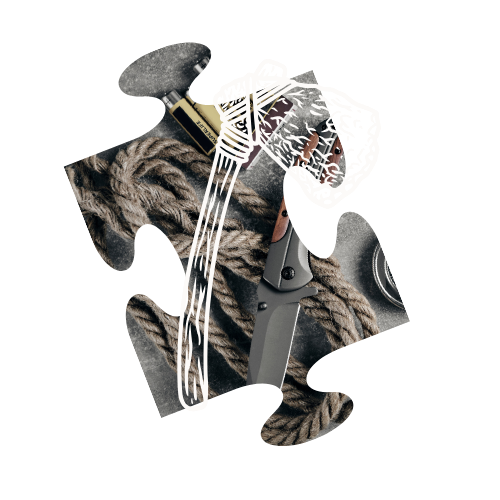
Simple tools multiply efficiency. A knife, navigation aids, and basic equipment reduce effort and increase control. Skills like tool maintenance and improvisation matter as much as the tools themselves.
12. Orientation prevents escalation
Getting lost often turns inconvenience into crisis. Navigation skills using maps, compass, sun, stars, and terrain features prevent unnecessary risk. Orientation reduces anxiety and preserves energy.

13. Avoid unnecessary movement at night

Darkness increases risk. Navigation errors, injuries, and encounters with nocturnal animals become more likely. Daylight is for movement and gathering. Night is for rest and protection.
14. Think ahead, even briefly
Short planning cycles improve outcomes. Anticipate weather shifts, daylight limits, and resource needs. Having multiple options prevents rigid thinking when conditions change.

15. Adaptability is survival
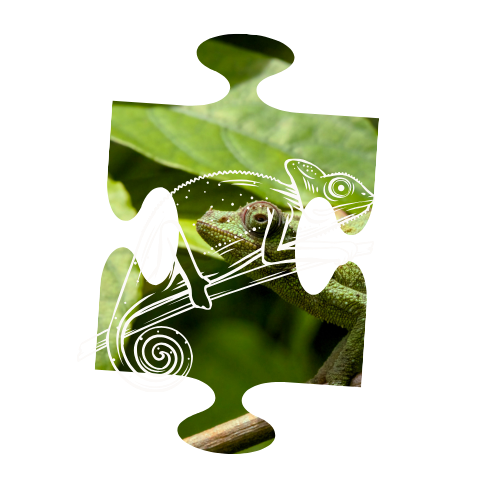
Plans fail. Conditions change. Flexibility allows correction without collapse. Survival favors those who adjust quickly rather than those who cling to the original idea.
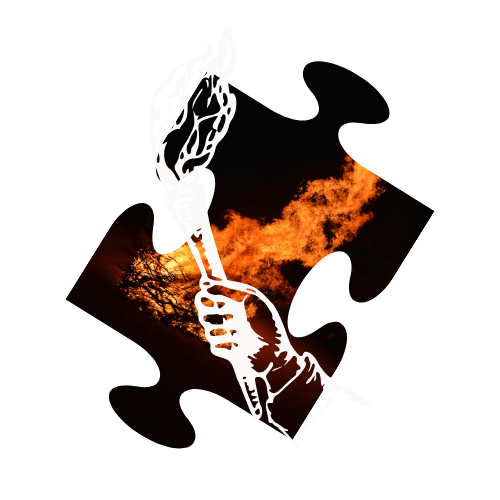
16. Fire is a force multiplier
Fire provides warmth, water purification, food preparation, protection, and signaling. Knowing how to create and manage fire in wet, windy, or cold conditions is a foundational survival skill.

17. Protect morale intentionally
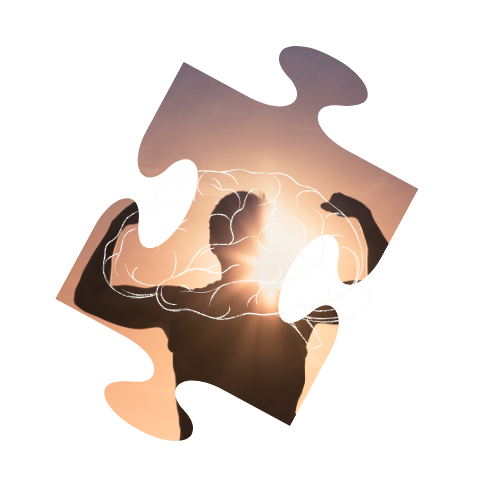
Mental resilience sustains physical effort. Purpose, routine, small successes, and hope all reinforce survival behavior. Giving up mentally often comes before physical failure.
18. Groups survive better than individuals
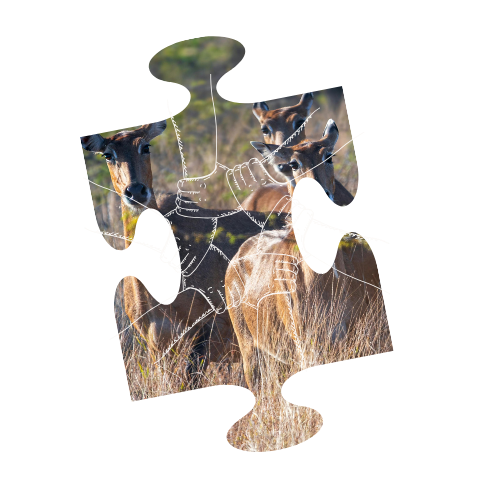
When possible, stay together. Shared skills, shared observation, and mutual support increase safety. Clear roles and cooperation reduce errors and exhaustion.
19. Know your limits honestly

Overconfidence creates emergencies. Realistic self assessment allows better pacing, safer choices, and smarter risk management. Respecting limits is not weakness. It is strategy.
20. Communication prevents collapse
Clear communication reduces conflict and confusion. Signals, routines, and shared understanding keep groups functioning under stress. In emergencies, clarity is a survival tool.


Survival is not about heroics. It is about awareness, discipline, and adaptability. The goal is not to dominate nature but to move through uncertainty with respect and competence. Preparedness is quiet confidence built long before it is needed.
The unexpected will come sooner or later. The question is not whether it arrives, but how ready the mind and body are when it does.